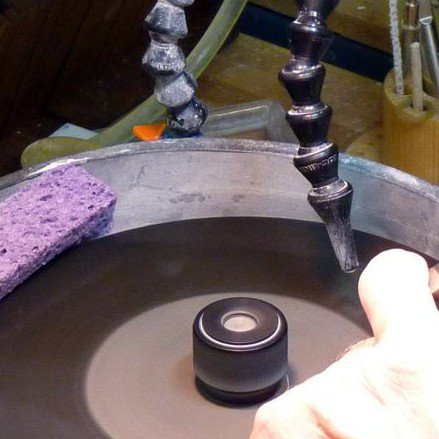
Your Equipment Works Hard — Here's How to Keep It Running
Lapidary machines take a beating. Grinding wheels spinning against quartz, jasper, and agate all day generate heat, slurry, and wear that most hobbyists underestimate when they're just starting out. The good news is that proper maintenance isn't complicated — it just requires consistency. A few habits practiced regularly will keep your trim saw, grinder, and polisher performing the way they should for years.
Water Systems and Coolant Management
Most lapidary equipment relies on water to cool blades and wheels. This is where neglect causes the most damage, and the fastest.
- Change your coolant water frequently. Slurry buildup becomes abrasive and can score your arbor shafts and bearing housings over time.
- After every session, drain and rinse your water reservoir. Don't let standing water sit — algae growth is real, and it clogs drip lines and corrodes metal components.
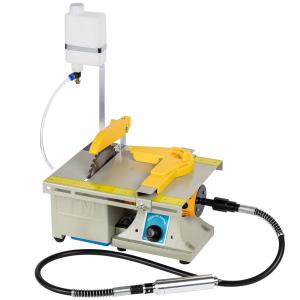
- For trim saws, check the water level before each cut. Running a blade dry, even briefly, causes warping and heat damage that's often irreversible.
- In cold climates, never leave water in your machines over winter. Water expands when it freezes and will crack plastic reservoirs and damage pumps.
A small submersible pump that's cleaned monthly will outlast one that's ignored for a season. Pull it out, rinse it under running water, and check the impeller for debris. Takes five minutes.
Diamond Wheel and Blade Care
Diamond wheels aren't indestructible. The diamond matrix wears down with use, and how you use your equipment directly affects how long that matrix lasts.
Avoid pressing hard. Feed your stone with steady, light pressure — letting the abrasive do the work rather than forcing the stone into the wheel. Heavy-handed grinding glazes the wheel surface, essentially burying the exposed diamond particles under polished metal bond. If your wheel stops cutting efficiently, it probably needs dressing rather than replacement. A dressing stick or a sacrificial piece of soft sandstone run lightly across the surface will open up fresh diamond again.
For saw blades, watch for wobble. A blade that vibrates during cuts is either loose on the arbor or has developed a slight warp. Check your arbor nut tightness first. If the wobble persists, the blade likely needs replacing — continuing to use a warped blade will damage your arbor bearings.
Bearings, Shafts, and Moving Parts
The mechanical heart of any lapidary machine is its arbor assembly. These components are often sealed at the factory, but they still need attention.
- Listen for changes in sound. A grinding or whirring noise that wasn't there before usually signals a bearing that's starting to fail.
- Check for shaft play periodically by gently pushing and pulling the arbor shaft. Any noticeable movement means bearing wear has progressed.
- Keep water away from bearing housings as much as possible. Most machines are designed with some splash protection, but running excessive water can still work its way into seals over time.
- Lubricate according to your machine's manual. Some arbors have grease fittings; others use sealed bearings that need no lubrication until replacement.
Replacing a bearing early is dramatically cheaper than replacing an entire arbor assembly after the shaft has been damaged by a seized bearing.
Cleaning and Storage After Each Session
End-of-session cleanup is where good habits make the biggest difference. Wipe down all exposed metal surfaces after use to prevent rust — cast iron components on older machines are especially vulnerable. Remove any stone debris from splash guards and drip trays. Let everything dry before covering your equipment, since trapping moisture accelerates corrosion.
If you're storing equipment for more than a few weeks, consider applying a light coat of machine oil to unpainted metal surfaces. Keep blades and wheels stored flat or hanging — never stacked under weight, which can cause deformation.
The core takeaway is simple: lapidary equipment rewards attentiveness. Water management, gentle technique, and regular inspection of moving parts will prevent almost every common failure. You don't need to spend hours maintaining your machines — just a few minutes of consistent care after each use, and your equipment will stay reliable through years of serious cutting and grinding.
Ready to shop? Browse a wide selection of lapidary equipment on eBay: View current listings