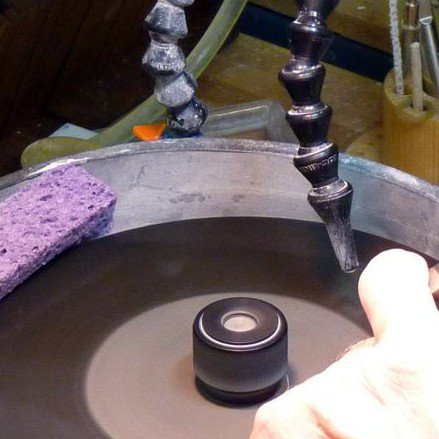
Grinding Wheels and Polishing: Building a Balanced Lapidary Setup
How to choose the right combination of wheels and polishing materials for consistent results.
A successful lapidary setup depends as much on the sequence of grinding and polishing as it does on the machine itself. Even high-quality equipment can underperform if the wheels and polishing materials are not well matched.
This article explains how grinding wheels and polishing steps work together and how to build a balanced setup that produces predictable, high-quality finishes.
The Role of Grinding Wheels
Grinding wheels shape and refine stone surfaces, gradually removing material to establish form and smooth transitions.
Different wheels serve different purposes:
- coarser wheels for shaping and material removal
- medium wheels for refining contours
- finer wheels for pre-polish preparation
Exploring the range of lapidary grinding wheels helps clarify how wheel types and grit levels fit into a complete workflow.
Why Progression Matters
Skipping steps or jumping too quickly between grits often leads to visible scratches and uneven finishes.
A steady progression allows each wheel to remove the marks left by the previous one, reducing time spent correcting mistakes later.
Consistency in progression is one of the most important factors in achieving a professional-looking finish.
Transitioning From Grinding to Polishing
Once shaping is complete, polishing refines the surface to bring out color, depth, and clarity.
Polishing works best when the surface has been properly prepared. A well-executed pre-polish stage significantly improves final results and shortens polishing time.
Choosing Polishing Materials
Polishing compounds and powders vary in abrasive size and behavior. Selecting the right material depends on stone type and desired finish.
Options such as diamond polishing powder are commonly used for their consistency and effectiveness across a wide range of materials.
Balancing Speed and Control
A balanced setup emphasizes control over speed. Aggressive grinding without proper refinement can create more work later in the process.
Using each wheel and polishing stage deliberately leads to smoother transitions and better overall results.
Planning for Wear and Replacement
Grinding wheels and polishing materials wear over time. Factoring replacement into your setup ensures consistent performance and avoids unexpected interruptions.
Keeping spares on hand for commonly used grits helps maintain workflow efficiency.
Final Thoughts
A well-balanced lapidary setup is built step by step. Matching grinding wheels and polishing materials to your workflow creates a smoother process and more satisfying results.
Consistency in preparation is the foundation of a polished finish.